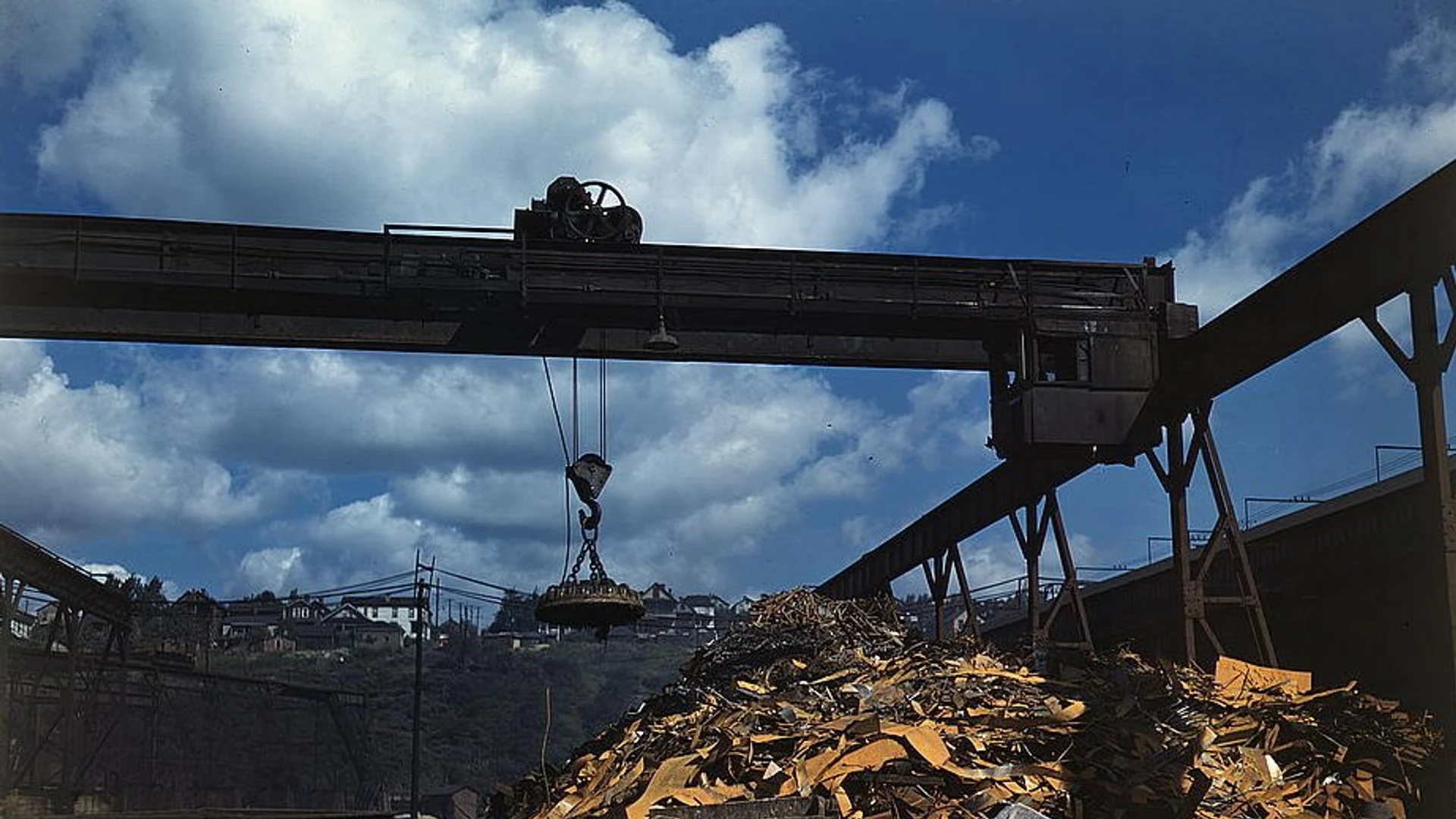
The California Department of Toxic Substances Control has secured a court-approved $1.5 million settlement with Radius Recycling, Inc. over 21 violations of the state’s Hazardous Waste Control Law at the company’s West Oakland metal-shredding facility. For generators and handlers tracking California’s enforcement posture, the case is notable for its span, reaching back to a 2018 fire and forward to an April 2025 inspection, all folded into a single resolution.
Inside the Settlement
Radius operated the site as Schnitzer Steel Industries, Inc. until July 2023. The $1.5 million splits three ways, with a $510,000 civil penalty under the Hazardous Waste Control Law, $480,000 to reimburse DTSC’s investigative and enforcement costs, and $510,000 directed to Supplemental Environmental Projects in West Oakland. The 21 violations stem from fires in June 2018, June 2020, and August 2023, plus DTSC inspections in May 2022, November 2023, and April 2025.
DTSC framed the resolution as accountability for a repeat pattern of failures. “Multiple fires and mismanagement of hazardous waste at this site is unacceptable,” said DTSC Director Katherine Butler, adding that the settlement “ensures that critical safeguards are put in place to prevent future fires and protect the community.”
The Violations Are Generator Fundamentals
None of the five violation categories DTSC cited is exotic. The agency faulted the facility for failing to operate in a manner that minimizes the risk of fire or hazardous-waste release, failing to use a registered hazardous-waste transporter, failing to obtain authorization to treat hazardous waste, improper storage of hazardous waste, and failing to notify the California Office of Emergency Services after a fire. Those are the same obligations every California generator and handler carries day to day, and they cover manifested transport by a registered hauler, treatment only under authorization, compliant storage, and prompt release notification. The enforcement exposure sits in the documentation that proves each one.
Enforcement Compounds Across Years
DTSC aggregated seven years of findings, three fires and three inspections, into a single action. A facility with a fire history also stays in the pipeline, because the agency expressly carved out a March 11, 2026 fire that it is still investigating, so this settlement closes one chapter while another remains open. A single unresolved compliance gap does not age out for an operator. It accumulates until an inspection or an incident brings the full record forward.
Settling Raises the Bar Above the Regulatory Floor
The injunctive terms exceed baseline regulatory requirements, requiring Radius to install Forward-Looking Infrared cameras to detect hot spots in scrap piles, follow the City of Oakland’s Fire Prevention and Response Plan and Emissions Minimization Plan, notify DTSC within two hours of any major fire, and alert nearby residents. The facility sits near daycare centers, public parks, hospitals, and senior residential facilities, and DTSC routed the $510,000 in Supplemental Environmental Projects toward what it called overburdened West Oakland communities. Proximity to sensitive receptors increasingly factors into how California calibrates penalties and conditions.
Radius said it remains committed to “carrying out this work responsibly while protecting the health and safety of our employees, neighbors, and community.” The company also faces action from the Bay Area Air Quality Management District and an Alameda County District Attorney lawsuit filed in July 2025.
Where an Inspection Starts
For generators and handlers, the practical step is to audit against the exact five categories DTSC cited, because those are where an inspection begins. Confirm every hauler is a registered hazardous-waste transporter, that any on-site treatment is authorized, that storage meets accumulation limits and container standards, and that release-notification procedures name Cal OES with a defined timeline. A facility that can produce that documentation on demand is not the one that ends up with seven years of findings in a single settlement. For sites near sensitive receptors, the margin for a fire or a missed notification is thinner still.
Sources
- California DTSC, “DTSC Enforcement Action Results in $1.5 Million Settlement with Radius Recycling” (2026-06-17)
- The Oaklandside, “Radius Recycling reaches $1.5 million settlement with state over toxic fires” (2026-06-18)
Tags