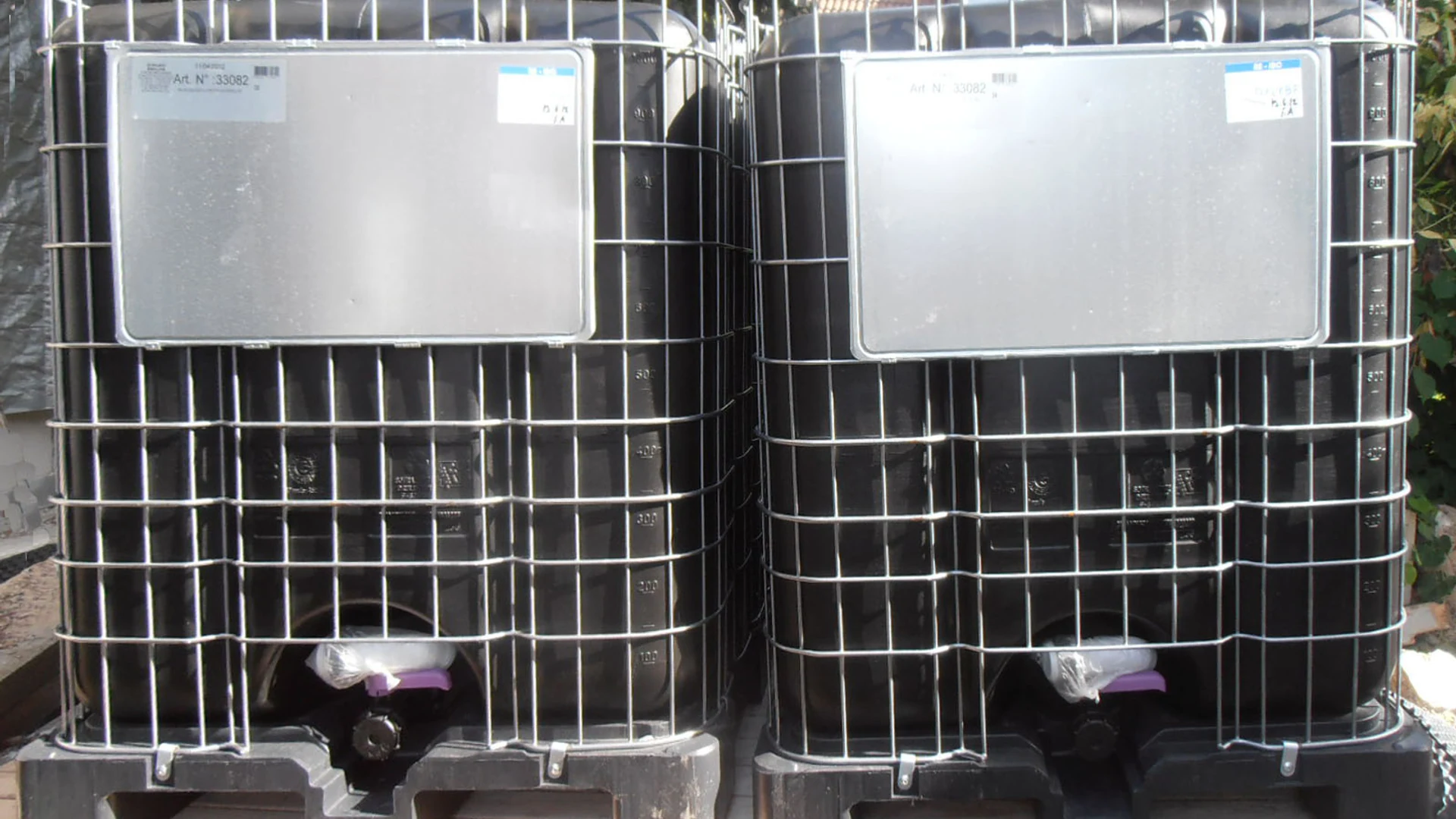
The Pipeline and Hazardous Materials Safety Administration published a dozen hazardous materials final rules on August 4, 2026, and most of them take effect September 3. PHMSA issued each one as a deregulatory action under Executive Order 14192, “Unleashing Prosperity Through Deregulation,” citing Executive Order 14154 alongside it. Three of the rules change how companies that generate and ship hazardous waste handle packaging, emergency response paperwork, and hazardous substance identification. Each rule comes with conditions that decide whether a given shipment qualifies, and September 3 leaves companies little time to sort out which of their movements do.
Empty Residue Totes Gain Relief From Shipping Papers and Placards
The most operationally significant of the three folds DOT Special Permit 21478 into the regulations, so relief that once required an individual special permit now applies to any qualifying shipment. The rule adds a new paragraph (d) to 49 CFR 173.29 and revises the marking and placarding provisions at 172.331, 172.504, and 172.514.
An empty steel, rigid plastic, or composite intermediate bulk container of 2,100 liters or less that holds only hazardous residue can move to a reconditioning, disposal, or repair facility without shipping papers, without vehicle placards, and without a UN identification number marking. The rule states the container “is excepted from subpart C (shipping papers)” and that “transport vehicles and freight containers are not subject to the subpart F (placarding)” requirements.
The relief is narrow by design, and residue can be no more than 0.3 percent of the container’s capacity by weight. Only packing groups II and III qualify, and only Classes and Divisions 3, 4.1, 5.1, 6.1, 8, and 9. The container has to travel by motor vehicle or rail in a fully enclosed transport vehicle or freight container, bound for a reconditioning, disposal, or repair facility, with an accompanying document that reads “Residue IBC(s)” and states the quantity by class. Standard part 172 marking and labeling for the residue’s hazard class still apply.
Emergency Response Information Can Move to Electronic Form
A second rule revises 49 CFR 172.602(b)(1) so that carriers and facility operators can keep emergency response information in electronic format rather than a hard copy printed on paper. The duty itself does not change, because the information still has to be immediately available for the material in transport, and it still has to reach responders at the scene of an incident. What changes is the medium, which now includes a tablet or an onboard system that holds the same content a paper packet would.
Companies that run emergency response programs should treat this as an option rather than a mandate. A facility that already maintains paper documentation can keep doing so, and any electronic system it adopts has to stay accessible during an incident, including when power or a network connection fails.
The DOT Hazardous Substance List Moves to EPA’s Table
The third rule takes effect later, on December 2, 2026. It deletes Tables 1 and 2 in Appendix A to 49 CFR 172.101, the long list of hazardous substances and reportable quantities that PHMSA has maintained in parallel with the Environmental Protection Agency. Shippers now consult the EPA’s authoritative list at 40 CFR 302.4, Table 302.4, and the definitions at 49 CFR part 171 are revised to point there.
PHMSA is explicit that removing its own copy changes nothing about which materials are regulated. The rule states the action “does not functionally change whether a material is classified as a hazardous substance.” Shippers who determine reportable quantities from a printed DOT appendix will need to update that reference and any training built around it before the December date.
RCRA Obligations Do Not Move With These Rules
Every one of these changes sits inside the DOT Hazardous Materials Regulations, which govern transport. None of them reaches a generator’s obligations under the Resource Conservation and Recovery Act. A hazardous waste determination, the uniform hazardous waste manifest, accumulation time limits, and the requirements that attach to a treatment, storage, and disposal facility all live under EPA’s program at 40 CFR and stand unchanged by anything PHMSA published on August 4.
The distinction matters most for the residue exception. It applies to an empty container carrying only residue to a reconditioner or disposal site, not to a full container of hazardous waste, which still ships on a manifest as a hazardous material. A shipment that misses any condition (residue above 0.3 percent, the wrong packing group, an open transport vehicle) loses the exception and falls back to the full shipping paper, marking, and placarding requirements.
Steps Before September 3
Companies that ship hazardous waste should identify which of their outbound movements could use the residue exception and confirm each one meets every condition before relying on it. Update standard operating procedures and driver instructions so the accompanying “Residue IBC(s)” document travels with qualifying loads. Decide whether to move emergency response information to an electronic system or keep it on paper, and if the choice is electronic, verify it stays available in an incident. Flag the December 2 change to the hazardous substance list for anyone who determines reportable quantities, and route waste that needs lab packing or certified destruction through carriers who have already adjusted their paperwork. The RCRA changes tracking on the federal side run on their own timeline, so the manifest system a facility follows today does not move with these transport rules.
Sources
Source: Federal Register, Pipeline and Hazardous Materials Safety Administration, “Adoption of DOT Special Permit 21478” (2026-08-04) | Federal Register, PHMSA, “Reducing Undue Paperwork Burdens to Domestic Carriers” (2026-08-04) | Federal Register, PHMSA, “Remove Redundant List of U.S. EPA CERCLA Hazardous Substances” (2026-08-04) | eCFR, 49 CFR 173.29
Tags